






Wet wipes, often marketed as flushable, can cause serious blockages in residential plumbing systems. Unlike toilet paper, which disintegrates easily in water, wet wipes are made from durable materials that do not break down, leading to accumulation in pipes over time.
Stay ahead of wet wipe blockages by identifying the signs before they turn into a bigger issue. These are the symptoms to watch for:
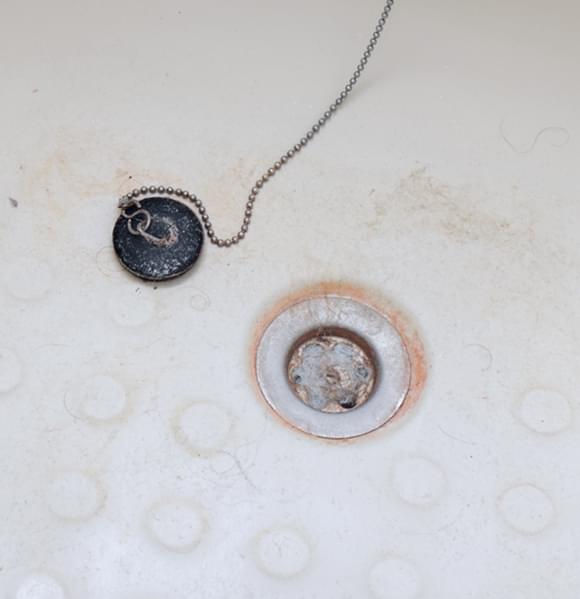
If water drains slowly from your sinks, toilets, or tubs, it may indicate a buildup of wet wipes in the pipes.
If you frequently experience clogs, especially in your bathroom or laundry, wet wipes could be the culprit.
Hearing gurgling sounds when using plumbing fixtures may suggest that air is trapped due to a blockage caused by wet wipes.
Unpleasant smells coming from your drains can signal decomposing wet wipes and other debris trapped in the plumbing.
If water backs up into your sink, toilet, or bathtub when using other fixtures, it may be a sign of a significant wet wipe blockage.
If troubleshooting doesn’t resolve the issue, our CCTV drain camera inspection service is an excellent option for diagnosing wet wipe blockages accurately. Our professional blocked drain specialists will come on-site to assess the severity of the blockage and provide you with an upfront quote—no hidden costs or fees. We believe in honesty and transparency, which is why we include our CCTV camera footage in the process. You’re invited to join us on this journey every step of the way, so you can see the problem and understand the solution.
When wet wipes are flushed down the toilet or washed down the sink, they can quickly combine with other debris and form stubborn clogs.
Wet wipes that make it past the smaller pipes can accumulate in the main sewer lines, causing extensive blockages that affect your entire plumbing system.
As wet wipes accumulate, they can obstruct water flow completely, causing slow drainage or backups.
If wet wipe blockages are not addressed, they can lead to corrosion or damage to your plumbing over time.
Frequent clogs caused by wet wipes can result in costly repairs and maintenance if left untreated.
If you suspect wet wipes are causing blockages in your drains, our plumbing services offer effective solutions to address the issue:
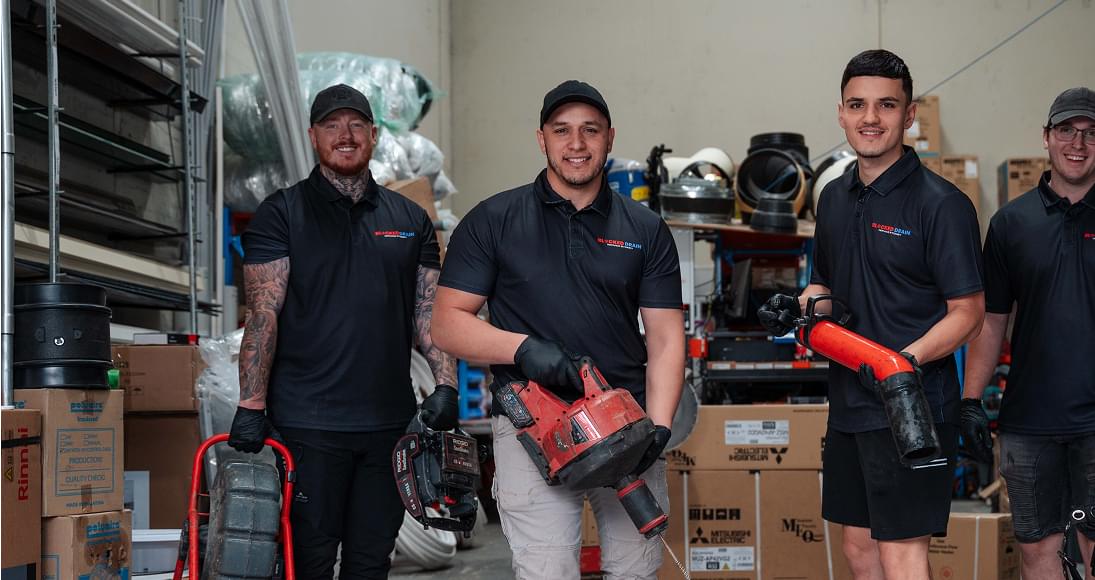
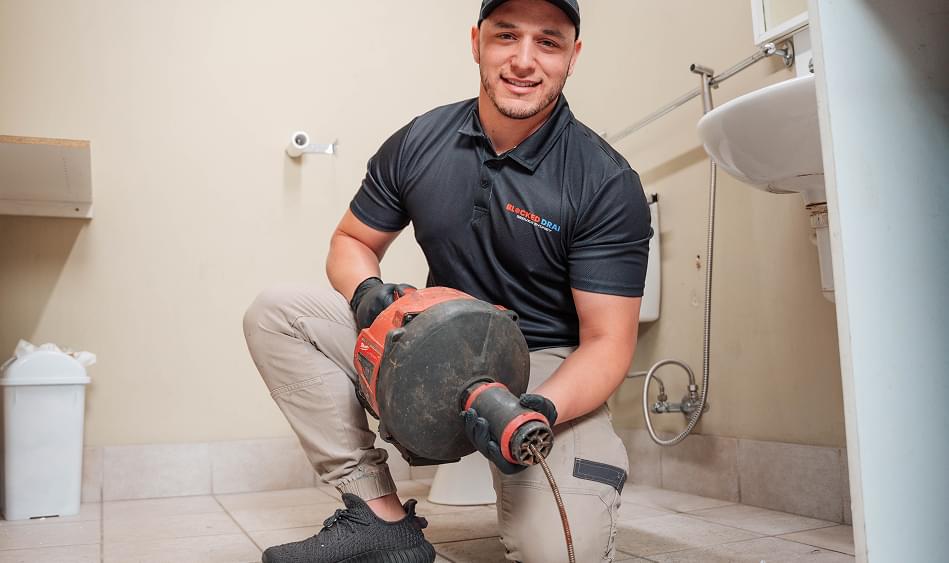
Our plumbers can use specialised snakes to remove wet wipes and debris that have built up in your pipes, restoring normal drainage.
This powerful method utilises high-pressure water jets to clear out wet wipes and other blockages, ensuring your pipes are clean and functioning properly.
We offer environmentally safe cleaning options that effectively break down any remaining debris without damaging your plumbing.
For homes with frequent wet wipe blockages, we can recommend and install a toilet auger to help dislodge any stubborn clogs quickly.
Preventing wet wipe blockages is essential for maintaining a healthy plumbing system. Here are some effective strategies to keep your drains clear:
Always dispose of wet wipes in the trash rather than flushing them down the toilet.
Ensure everyone in your household understands the importance of not flushing anything other than toilet paper.
Install drain strainers in sinks and showers to catch debris before it can enter the plumbing system.
Schedule routine inspections and drain cleaning to identify and address any potential wet wipe issues before they escalate.
If you suspect wet wipes are blocking your drains, consider these troubleshooting steps:
Check your sinks, toilets, and tubs for visible wet wipe buildup or clogs.
Pay attention to any slow-draining fixtures, especially in the bathroom.
Be alert to any foul smells coming from your drains, which could indicate a wet wipe blockage.
For DIY methods, you might try the following:
If you have one, gently use it to pull out wet wipes from the drain.
This natural solution can help break down minor blockages when flushed with hot water.
If these methods don’t work, it’s time to call a professional plumber.
At Blocked Drain Service Sydney, we’re the experts you can trust for tackling even the toughest wet wipe blockages with speed and precision. Armed with cutting-edge technology, our team swiftly identifies the root cause of the issue and delivers targeted solutions that work. We take pride in offering fast, dependable service that gets your plumbing back to optimal condition—no fuss, no delays, just results.
Plumbing problems don’t wait, and neither do we. Our team is available 24/7, ready to respond to emergencies and get your drains back in working order, no matter the time or day.
With us, there are no surprises. We provide clear, upfront pricing with no hidden fees, so you’ll know exactly what to expect before we begin any work.
We’re committed to your satisfaction. From the moment you contact us to the completion of the job, we ensure clear communication, timely service, and a smooth, hassle-free experience.
Look for signs such as slow drainage, frequent clogs, gurgling noises, and unpleasant odours.