






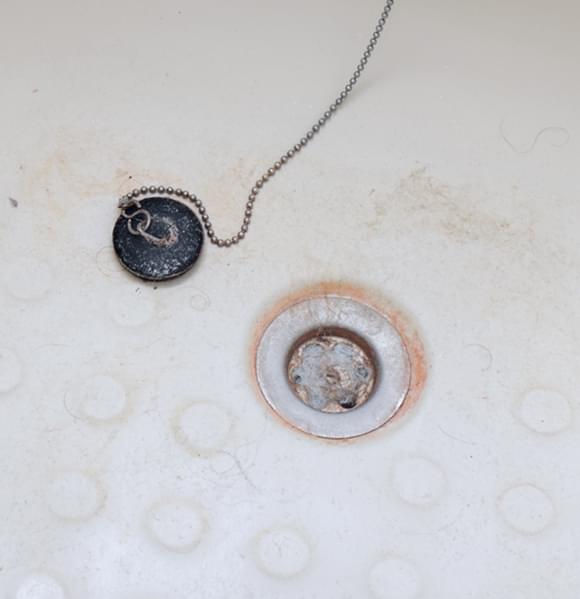
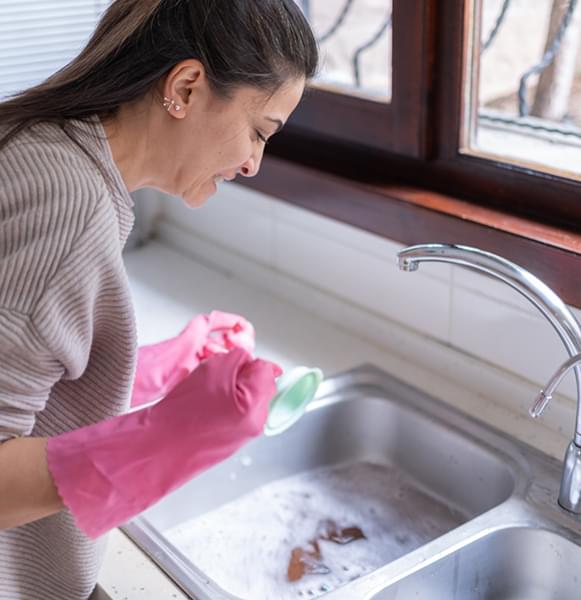



Experiencing any of these problems? Slow draining water, foul odours, gurgling noises, higher water bills, stagnant water, water backup, or damp patches on your otherwise dry lawn outside. Chances are you have a drain or pipe blockage.
The first step to resolving the problem is understanding what physically is getting stuck in your drains and pipes.
Below are some of the biggest culprits on the blockage clearing jobs we do, particularly inside homes and commercial buildings:
Tree roots grow easily in damp conditions like drains, which causes an intrusion.
Pouring waste down the drains can make it build in pipes, leading to a block.
The build up of hair means that it’s more challenging for water to drain.
When washing your cutlery, leftover food scraps can go down the drain and clog it.
The worst thing you can flush down the toilet, but people still do! 40% of wastewater blockages in Australia between 2016-2017 were caused by wet wipes.
Too much paper being flushed results in major blockages occurring.
When cotton balls, or other waste is flushed down the drain.
When you’re faced with a blocked drain, a DIY solution can feel tempting. However this can often lead to costly property damage in the long run.
In most cases, a blocked drain signals an underlying problem which DIY solutions can’t resolve. Which mainly occurs as a result of no specialised equipment, tools or expertise being employed.
When the wrong chemical drain cleaner is utilised, it can quicken pipe deterioration. Harmful chemical cleaners can be too abrasive which worsens the problem.
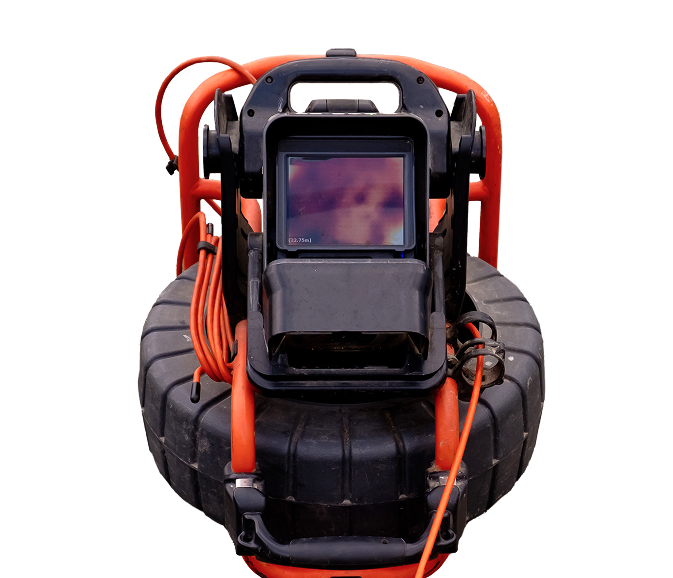
Instead, opt for our professional blocked drain solutions. Utilising our CCTV camera technology, we’ll pinpoint the root cause of the blockage. Tailoring the right solution to this accordingly.
We all know the basics—flush and forget. But not everything belongs in your toilet, and the consequences of flushing the wrong items can be frustrating.
We all know the basics—flush and forget. But not everything belongs in your toilet, and the consequences of flushing the wrong items can be frustrating.
Even when you’re careful, sometimes things don’t go as planned. A blockage might form simply due to excess toilet paper or a particularly heavy “load.” Kids might also think the toilet is their new plaything, sending toys or other objects down for a swim. Mineral deposits from hard water can also build up in layers on the surface of your drain pipes, and this narrowing can lead blockages from even small materials that come through the pipes. (We give you some maintenance tips to prevent mineral deposit build up in your toilet below).
Even when you’re careful, sometimes things don’t go as planned. A blockage might form simply due to excess toilet paper or a particularly heavy “load.” Kids might also think the toilet is their new plaything, sending toys or other objects down for a swim. Mineral deposits from hard water can also build up in layers on the surface of your drain pipes, and this narrowing can lead blockages from even small materials that come through the pipes. (We give you some maintenance tips to prevent mineral deposit build up in your toilet below).
Showers are notorious for blockages, thanks to a mix of hair, soap scum, and hard water deposits.
Every time you shower, hair naturally sheds and collects in the drain. When mixed with soap scum, it creates the perfect recipe for a clog.
Soap scum builds up over time, especially if you’re using traditional bar soaps. Combined with hard water minerals, this gunk can restrict the flow in your pipes, trapping other debris along the way.
Just like with toilets, hard water can leave behind mineral deposits in your shower drain, making it more prone to blockages. Regular cleaning and maintenance can help you avoid slow drainage or standing water.
Your kitchen sink is a workhorse, but it’s also a magnet for blockages, especially from fats, oils, and food scraps.
While it might be convenient to rinse food scraps down the drain, it’s a fast way to clog your kitchen pipes. Grease, oils, and fats solidify as they cool, lining the pipes and trapping food particles.
Pro tip: Clear out your grease trap regularly or pour leftover grease into a container and dispose of it properly.
It’s tempting to just scrape plates right into the sink, but think twice before rinsing down anything that could cause trouble later. Invest in a sink strainer to catch those rogue food particles and avoid an inconvenient clog.
Surprisingly, bathroom sinks face many of the same issues as showers.
When bar soap is rinsed down the drain, it can resolidify in cooler water, forming clumps that can block the flow in your pipes. This is especially true if your water is hard, meaning it has high mineral content (like calcium and magnesium). As soap reacts with these minerals, it forms soap scum—a sticky, chalky residue that can cling to the inside of your pipes. Over time, this residue builds up, creating a perfect storm for a clog. Plus, the same soap scum that sticks to your pipes is also responsible for the grimy buildup on your shower walls.
Pro Tip: If you’re set on using bar soap, consider using a drain catcher to catch any solid particles and rinse your pipes with hot water regularly to keep the buildup at bay.
Shaving or brushing your hair over the sink is a common culprit for blockages. Just like in the shower, hair, dirt, and soap scum can combine to create clogs. Be mindful of washing down large amounts of hair, and consider using a sink drain catcher.
Your laundry area is often an unexpected spot for blockages, especially from some sneaky items that get left in pockets.
Pet hair, lint, and those stray coins left in pockets can easily clog your laundry sink or washing machine drain. Dirt from mop water and even small items like paper or plastic can end up blocking the system.
Be cautious about pouring mop bucket water down the laundry drain—large amounts of dirt can settle and build up. Oh, and if you’ve ever poured leftover paint or chemicals down the drain, those too can cause serious blockages.
Your home’s sewer and stormwater systems can also face blockages, sometimes caused by things beyond your control.
Heavy rain can flood your stormwater system, bringing in dirt, rocks, and debris. Tree roots are another big concern—roots naturally seek out water and can grow into your pipes, causing blockages. Foreign objects or any of the causes listed above, such as grease, can make their way into your sewer line and cause a serious backup.
Being aware of these potential issues and taking small preventative steps can go a long way in keeping your home’s plumbing trouble-free!
There are some wet wipes there that are marketed as “flushable.” They’re not. Please never flush “flushable” wet wipes down the toilet. Even though they may feel like a more luxurious experience compared to common toilet paper, they don’t disintegrate as easily as toilet paper when down the loo.
If you’ve ever noticed a stubborn, slimy film building up around your shower or sink drain, soap scum is likely the culprit. While bar soaps are often the go-to, they can contribute to clogs over time.
It’s true! At least when it comes to preventing clogs and blockages. Liquid soaps are less likely to cause drain clogs compared to their solid counterparts. Bar soaps contain fats and oils that can solidify in your pipes, especially when mixed with cold water. Liquid soaps, on the other hand, rinse away more easily without leaving behind the sticky residue that bar soaps can.
If bar soap is still your soap of choice, use a sink strainer to catch clumps of soap, (it will also catch hair), and occasionally pour hot water down the drain to help dissolve any stuck soap particles.
Mineral deposits are another hidden culprit that’s often out of sight and out of mind. But if you live in a hard water area, your pipes are likely building up layers of these deposits, narrowing the flow and making it easier for clogs to form.
Installing a water softener can make a world of difference, if you find you do not have one already. Water softeners remove the minerals that cause hard water, preventing deposits from forming in the first place. It also improves the taste of your water, eliminating weird odours and taste that comes from calcium buildup.
If a water softener isn’t in the cards, regularly flushing your drains with hot water or vinegar and baking soda can help dissolve small mineral deposits before they become a bigger issue. Try to do this once a month. You can include this alongside your bathroom and kitchen cleaning routine to keep these spaces in your home clean.
If you already have mineral build-up in your pipes, it can be tough to remove on your own. Professional descaling treatments are designed to break down these deposits without damaging your pipes. For smaller problems, using a vinegar and baking soda solution can help dissolve the minerals stuck on the surface within your pipes over time, but persistent blockages may require expert attention.
When your drain slows down or stops altogether, it’s easy to assume it’s just a blockage caused by debris or buildup. But sometimes, the issue goes deeper—literally. Pipe damage can mimic the symptoms of a clogged drain, making it harder to diagnose without a closer look. Let’s explore some common types of pipe damage that could be the root cause of your plumbing problems.
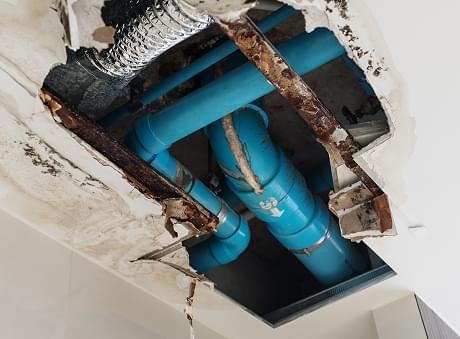
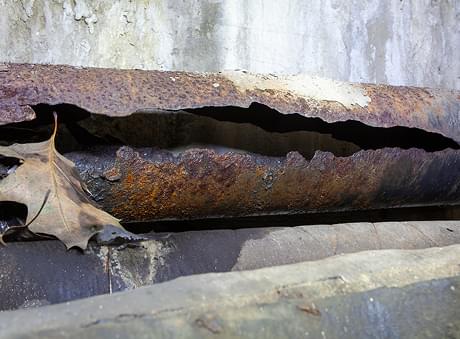
Pipes don’t last forever, and over time, they can collapse due to age, external pressure (like tree roots or shifting soil), or corrosion. When a pipe collapses, the flow of water is either severely restricted or completely blocked. Unlike a typical clog, a collapsed pipe won’t clear with regular drain cleaning techniques. If you’re noticing recurring drainage issues even after cleaning, this could be the reason.
A small crack in your pipe may not cause immediate havoc, but over time, it can grow and lead to leakage or allow dirt, debris, and roots to enter your plumbing system. Cracked pipes can also cause localised blockages as pieces of the pipe itself break off and obstruct the water flow. If you’ve been experiencing mysterious leaks or have noticed damp spots in your yard or foundation, a cracked pipe could be to blame.
For a drain system to work properly, the pipes need to be installed at just the right slope. If the slope is too shallow, water and waste won’t flow smoothly, leading to build-ups and blockages. Conversely, if the slope is too steep, water can move too quickly, leaving behind solid materials that accumulate over time. Poorly sloped pipes often lead to chronic drainage problems, making it feel like your drains are constantly clogged, when in fact, it’s a design issue.
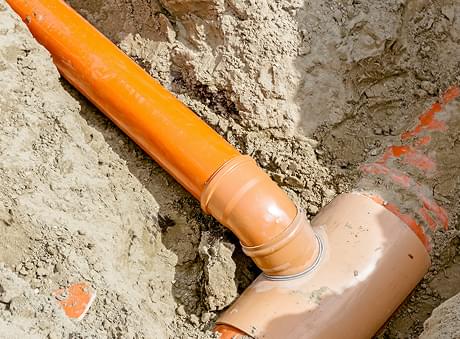
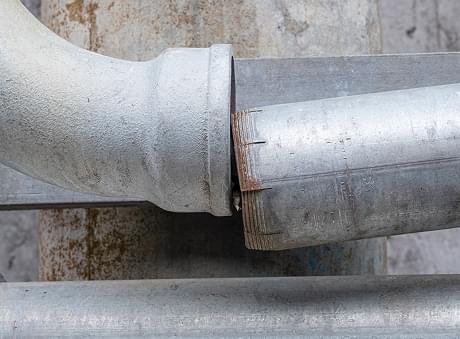
Pipes can shift over time, whether from natural ground movement, temperature changes, or poor installation. When pipes become misaligned, the connections between them can loosen or break apart, allowing dirt, debris, or even roots to enter. This creates an obstruction in the flow and can result in a blockage-like effect. Misaligned pipes can be tricky to identify because the issue is often hidden underground or behind walls.
A “belly” in a sewer pipe is a section that sags due to ground settling or poor installation. When a belly forms, it creates a low point where water and waste collect, rather than flowing smoothly. Over time, this collection of materials can harden into a serious blockage, or it can cause ongoing slow drainage. If your drains seem to clog without an obvious reason, it’s worth considering whether a belly in the pipe is the real culprit.
Sometimes, the problem stems from the very beginning. Poor pipe installation can cause a host of issues, from misaligned connections to improper slopes, making blockages a regular occurrence. If your home is newer but you’re experiencing frequent drain issues, it could be a sign that the plumbing wasn’t installed correctly. In this case, a professional inspection may be needed to determine the extent of the problem.
Heavy rain may not seem like a direct cause of pipe damage, but it can put significant pressure on your drainage system, especially if your pipes are already weakened or damaged. Excessive rain can lead to shifting soil, which may crack or misalign your pipes. Additionally, stormwater systems can overflow and back up into your main plumbing line, creating what appears to be a blockage but is actually external water pressure on your pipes.