


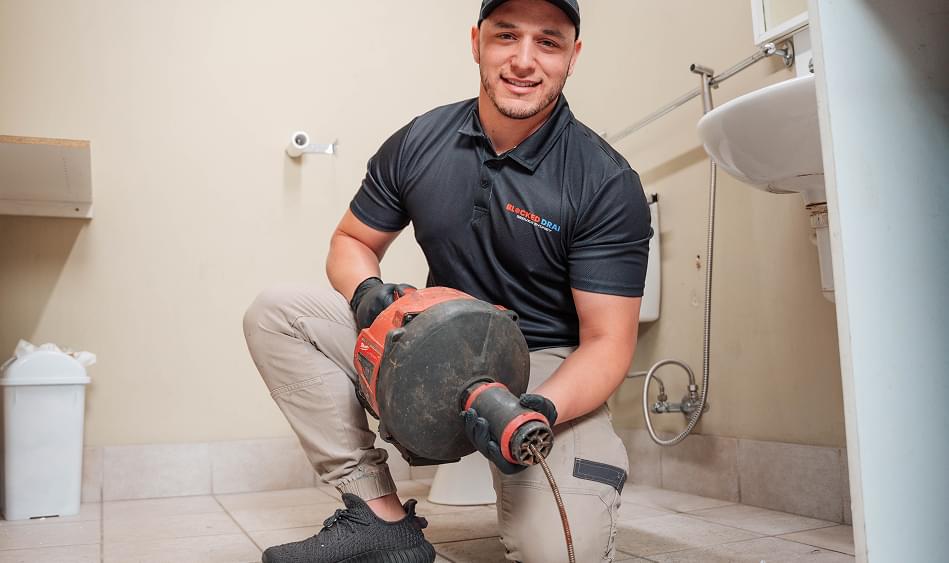


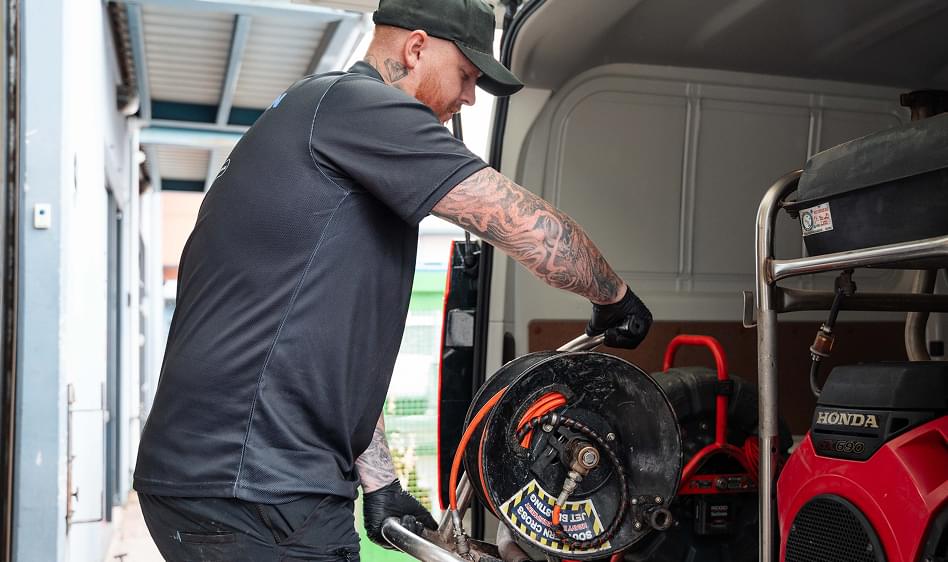



At Blocked Drain Service Sydney, we specialise in cracked pipe relining in Sydney, providing a fast, efficient, and non-invasive solution to repair cracked pipes. Our advanced pipe relining methods restore the integrity of your plumbing system without the need for extensive digging or costly replacements.
It’s important to address cracked pipes early to prevent further damage. Look for these common signs that indicate the need for cracked pipe repairs:
If your sinks, toilets, or showers are draining slowly, it could be a sign of a cracked or damaged pipe.
Foul smells coming from your drains or outside your property may indicate a cracked pipe allowing sewage to leak.
Pools of water or damp areas in your yard can be a sign of an underground cracked pipe leaking water.
If you’re dealing with repeated clogs, a cracked pipe may be the underlying cause.
Strange gurgling sounds coming from your drains often indicate air trapped in the pipes, possibly due to cracks or blockages.
A sudden spike in your water bill without a corresponding increase in water usage could be a sign of a hidden crack in your pipes.
There are several common reasons why pipes may crack, including:
At Blocked Drain Service Sydney, we use cutting-edge technology to repair cracked pipes without the need for excavation. Our cracked pipe relining process includes the following steps:
We begin by inspecting the pipe with a CCTV camera to assess the extent of the damage and identify the cracks.
Using high-pressure water jetting, we thoroughly clean the pipe to remove debris and prepare it for relining.
Inside the affected pipe, we install an epoxy resin liner to cover all damaged areas thoroughly. It is then expanded and cured into place, with the drying process expedited to create a tight seal. This new pipe layer is highly durable and resistant to future issues.
After relining, we perform a follow-up CCTV inspection to ensure the pipe is fully repaired and functioning correctly.
While cracked pipes are common, there are steps you can take to minimise the risk of future issues. Consider the following:
Routine CCTV inspections can detect minor issues before they lead to cracks.
Keep trees and large shrubs away from sewer lines, or install root barriers to prevent intrusion.
Avoid flushing non-biodegradable items or pouring grease down the drain, as they can cause blockages that put pressure on pipes.
Fixing small leaks as soon as they are detected can prevent them from growing into larger cracks.
If you suspect a cracked pipe, it’s essential to act quickly to avoid further damage. First, reduce water usage to limit the pressure on your plumbing system. Then, contact Blocked Drain Service Sydney for a professional inspection. We will assess the situation and recommend the best solution, whether it’s a quick repair or a full cracked pipe relining.
If you suspect a cracked pipe, here are some troubleshooting steps to consider before contacting a professional:
Keep an eye on your water bill—if it’s unusually high, it could be due to a leaking cracked pipe.
Check areas around your home, including the yard and foundation, for signs of water pooling or damp spots.
Gurgling sounds or unusual noises coming from your drains can indicate a cracked pipe or a blockage.
Slow draining water or frequent clogs may point to a crack in your pipes, which is restricting water flow.
If these signs persist, it’s time to call in a professional for an inspection.
We specialise in non-invasive cracked pipe relining in Sydney, avoiding the need for disruptive digging.
Our licensed plumbers have years of experience in repairing cracked pipes using advanced relining techniques.
We provide transparent and competitive pricing with no hidden fees, ensuring you know exactly what to expect.
We understand that you may have questions about pipe relining and how it works. We have answered some of the most common questions to help you better understand the process, costs, and benefits.
Cracked pipe relining is a trenchless method of repairing cracked pipes by inserting a resin-coated liner that hardens to form a new, durable pipe inside the existing one.